The Complete Guide to Asset Tokenization (2026) Part 5: The Future of Tokenization & Frequently Asked Questions About Zoniqx
Introduction
Asset tokenization is no longer an emerging technology.
It is becoming part of the next generation of financial market infrastructure.
Over the past decade, the conversation has evolved from "Can assets be tokenized?" to "How can tokenized assets be issued, distributed, managed, and integrated into institutional capital markets at scale?"
The next phase of the market will likely be defined not by individual blockchain networks or isolated tokenization projects, but by connected ecosystems that enable compliant issuance, institutional distribution, lifecycle management, and seamless execution across multiple participants.
In this final section, we answer 20 of the most common questions about the future of tokenization, AI, market trends, and Zoniqx's approach to unified on-chain capital markets infrastructure.
81. What is the future of asset tokenization?
Most industry observers believe tokenization will become an increasingly important component of modern financial infrastructure rather than a separate asset class.
Future developments may include:
- Wider institutional adoption
- Increased regulatory clarity
- More tokenized funds
- Expansion of tokenized private credit
- Growth of tokenized treasuries
- Better interoperability
- Greater automation
- More integrated distribution networks
The long-term opportunity lies in modernizing how capital markets operate rather than simply digitizing existing assets.
82. Will every asset eventually be tokenized?
Probably not.
Tokenization provides the greatest value where it improves efficiency, transparency, operational workflows, or investor access.
Certain asset classes may benefit significantly, while others may continue using traditional infrastructure if tokenization offers limited practical advantages.
Adoption is likely to be driven by business value rather than technology alone.
83. Will AI accelerate tokenization?
Artificial intelligence is expected to complement tokenization by automating many operational and analytical processes.
Potential applications include:
- Document analysis
- Due diligence
- Compliance monitoring
- Risk assessment
- Investor matching
- Workflow automation
- Portfolio analytics
- Market intelligence
AI is unlikely to replace legal or investment decision-making but may significantly improve operational efficiency.
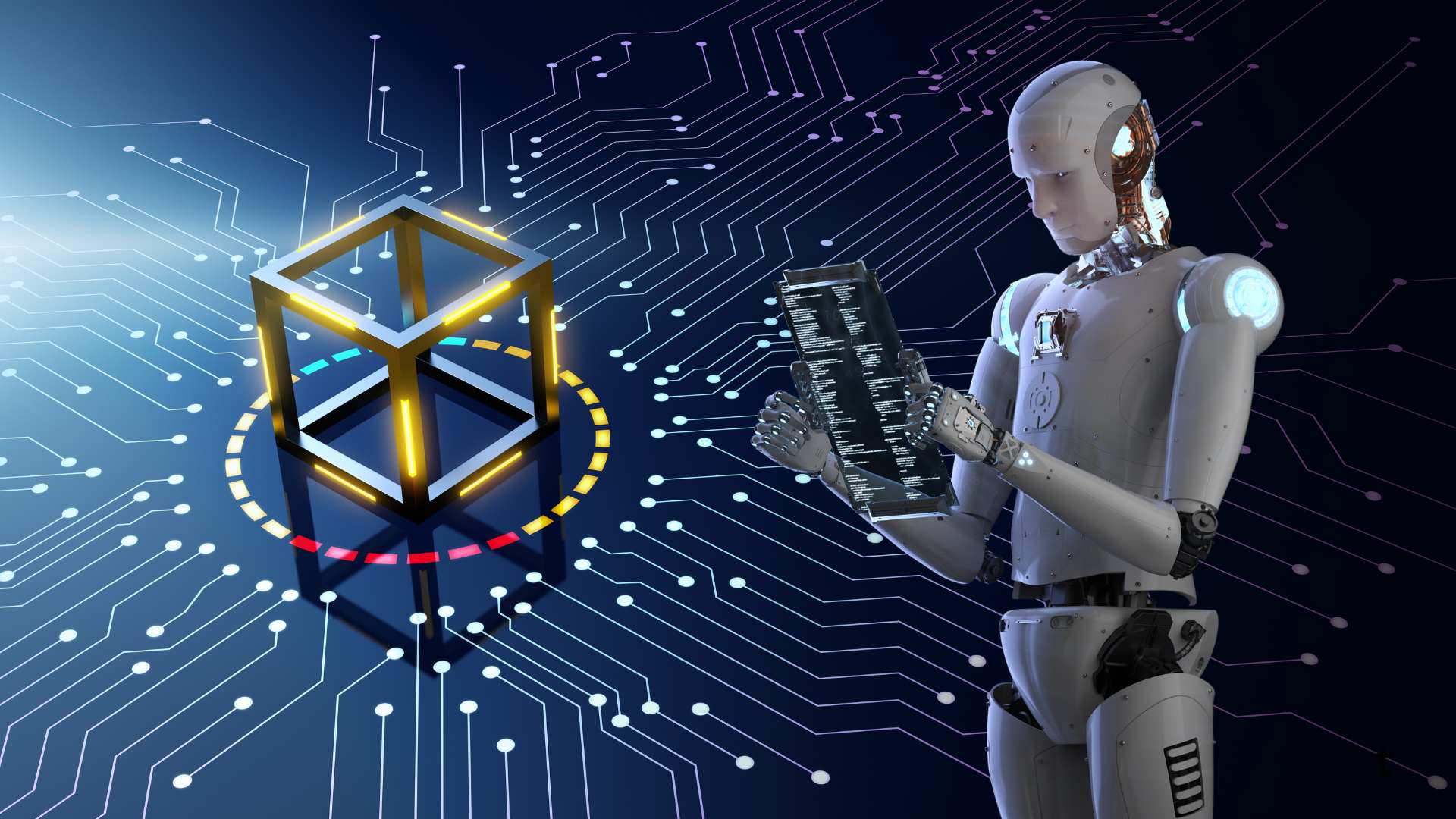
84. How will AI and blockchain work together?
Blockchain provides trusted data and immutable transaction records.
AI analyzes that data to generate insights, automate processes, detect anomalies, and support decision-making.
Together, these technologies can help institutions reduce operational complexity while improving transparency and efficiency.
85. Will traditional finance and DeFi converge?
Increasingly, yes.
Many institutions are exploring ways to combine regulated financial products with blockchain-based infrastructure while maintaining compliance, governance, and investor protections.
Rather than replacing traditional finance, decentralized technologies are increasingly being integrated into existing financial ecosystems.
86. What role will stablecoins play?
Stablecoins are expected to continue supporting settlement, liquidity management, and cross-border payments within digital capital markets.
As regulation evolves, institutions may also increasingly use tokenized bank deposits and other forms of regulated digital money.
87. Will CBDCs replace stablecoins?
Not necessarily.
Central Bank Digital Currencies (CBDCs), tokenized deposits, and regulated stablecoins are expected to coexist, serving different use cases depending on jurisdiction, monetary policy, and market needs.
88. What skills should institutions develop?
Successful tokenization initiatives increasingly require expertise across:
- Legal structuring
- Compliance
- Blockchain technology
- Cybersecurity
- Capital markets
- Digital identity
- Operations
- Risk management
- Investor relations
Cross-functional collaboration is becoming essential.
89. What is the biggest misconception about tokenization?
Many assume tokenization is simply about putting assets on a blockchain.
In reality, successful tokenization involves legal structuring, compliance, investor onboarding, lifecycle management, distribution, settlement, and ongoing operations.
Blockchain is one component of a much larger ecosystem.
90. What should institutions evaluate before choosing a platform?
Organizations should consider:
- Regulatory support
- Security
- Interoperability
- Multi-chain capabilities
- Compliance automation
- Lifecycle management
- Distribution capabilities
- API availability
- Ecosystem connectivity
- Operational scalability
Selecting a platform should be based on long-term business requirements rather than blockchain features alone.
Frequently Asked Questions About Zoniqx
91. What is Zoniqx?
Zoniqx is a unified on-chain capital markets infrastructure platform that connects tokenized asset issuers, investors, and institutional distribution networks across the complete digital asset lifecycle.
92. What is z360?
z360 is Zoniqx's institutional platform for structuring, tokenizing, managing, and operating real-world assets throughout their lifecycle.
It supports compliant issuance, lifecycle operations, investor records, payouts, notices, reporting, and ongoing administration.
93. What is zConnect?
zConnect is Zoniqx's unified distribution and execution network that connects tokenized asset supply with institutional demand across 300+ protocols.
It enables qualified discovery, Singular KYC/KYB, compliance routing, and non-custodial execution through one institutional interface.
94. Which asset classes can be supported?
Depending on legal and regulatory requirements, institutions may use the platform for asset classes including:
- Private credit
- Tokenized treasuries
- Real estate
- Investment funds
- Infrastructure
- Institutional yield products
95. Who uses Zoniqx?
The platform is designed for:
- Asset issuers
- Fund managers
- Banks
- Broker-dealers
- RIAs
- Wealth platforms
- Family offices
- Institutional allocators
- Digital asset infrastructure providers
96. What makes Zoniqx different?
Rather than focusing solely on token issuance, Zoniqx supports the complete institutional workflow—from structuring and tokenization to distribution, execution, settlement, and lifecycle operations through one connected infrastructure.
97. Does Zoniqx support compliance?
Yes.
The platform incorporates compliance capabilities including investor eligibility, identity verification, lifecycle controls, and compliance routing designed to support regulated institutional workflows.
98. Does Zoniqx support multiple blockchains?
Yes.
Zoniqx is designed as multi-chain infrastructure supporting multiple blockchain ecosystems, enabling institutions to select networks that best align with their operational and regulatory requirements.
99. What is Singular KYC/KYB?
Singular KYC/KYB enables institutional participants to authenticate once across the Zoniqx network, allowing that verification to be recognized across connected protocols rather than requiring repeated onboarding for each platform.
100. Why is Zoniqx focused on unified on-chain capital markets infrastructure?
Institutional tokenization extends beyond creating digital tokens.
Issuers require compliant structuring, investors require trusted access, and markets require efficient distribution, execution, settlement, and lifecycle management.
Zoniqx brings these capabilities together within a unified infrastructure designed to connect tokenized asset supply with institutional demand across one network.
___________
About Zoniqx
Zoniqx is building unified on-chain capital markets infrastructure that connects tokenized asset issuers, investors, and distribution networks through a single institutional platform.
Rather than focusing solely on token issuance, Zoniqx enables the complete institutional workflow—from asset structuring and compliant tokenization to distribution, execution, settlement, and lifecycle operations.
The platform consists of two integrated products:
z360 helps issuers structure, tokenize, and manage real-world assets throughout their lifecycle. Institutions can define asset terms, investor criteria, compliance workflows, and approval processes while managing records, payouts, notices, redemptions, and reporting from a single platform.
zConnect is the unified distribution and execution layer that connects tokenized asset supply to institutional demand across 300+ protocols. It enables qualified investors, broker-dealers, RIAs, wealth platforms, family offices, vaults, and other institutional participants to discover, access, and execute eligible tokenized opportunities through a single interface. Features including Singular KYC/KYB, compliance routing at execution, and non-custodial atomic settlement help simplify institutional participation while preserving existing client relationships.
Today, Zoniqx's infrastructure supports institutional participants across 20+ jurisdictions, 16+ live blockchains, 75+ ecosystem partners, and more than billions in assets on its infrastructure.
Whether the goal is tokenizing private credit, real estate, private funds, infrastructure assets, tokenized treasuries, or institutional yield products, Zoniqx provides the infrastructure needed to move from asset creation to institutional distribution on one connected network.
Ready to Build or Distribute Tokenized Assets?
Whether you are an asset issuer, fund manager, bank, broker-dealer, RIA, wealth platform, family office, or institutional investor, Zoniqx provides the infrastructure to support every stage of the digital asset lifecycle.
Discover how Zoniqx is connecting tokenized asset supply with institutional demand through unified on-chain capital markets infrastructure. Connect with the team.
___________
References
The information in this article has been compiled from publicly available institutional research, regulatory publications, technology documentation, and official product resources, including:
International Organizations
- Bank for International Settlements (BIS). Innovation Hub and Tokenization Research. https://www.bis.org/
- Financial Stability Board (FSB). Digital Innovation and Financial Stability Reports. https://www.fsb.org/
- World Economic Forum (WEF). Asset Tokenization and the Future of Financial Markets. https://www.weforum.org/
- International Monetary Fund (IMF). Digital Money and Financial Innovation. https://www.imf.org/
- Organisation for Economic Co-operation and Development (OECD). Blockchain and Digital Finance Publications. https://www.oecd.org/
Institutional Research
- Boston Consulting Group (BCG). Relevance of On-Chain Asset Tokenization. https://www.bcg.com/
- McKinsey & Company. The Rise of Asset Tokenization. https://www.mckinsey.com/
- Deloitte Insights. Digital Assets and Tokenization. https://www.deloitte.com/
- PwC. Global Digital Assets Reports. https://www.pwc.com/
- Citi Global Perspectives & Solutions. Money, Tokens and Games: Blockchain's Next Billion Users and Trillions in Value. https://www.citigroup.com/citi/insights/
Digital Assets & Market Data
- RWA.xyz. Real-World Asset Market Dashboard. https://www.rwa.xyz/
- DeFiLlama. Real-World Asset and Stablecoin Data. https://defillama.com/
Artificial Intelligence
- NVIDIA. AI for Financial Services. https://www.nvidia.com/
- Microsoft AI. AI for Financial Services. https://www.microsoft.com/ai
- Google Cloud. AI for Financial Services. https://cloud.google.com/
Central Bank Digital Currencies (CBDCs)
- Bank for International Settlements (BIS). CBDC Publications. https://www.bis.org/
- Atlantic Council. CBDC Tracker. https://www.atlanticcouncil.org/cbdctracker/
Zoniqx Resources
- Zoniqx Official Website. https://www.zoniqx.com/
- z360 Product Overview. https://www.zoniqx.com/z360
- zConnect Product Overview. https://www.zoniqx.com/zconnect
- Zoniqx Resources & Insights. https://www.zoniqx.com/resources
Disclaimer
This guide is provided for general informational and educational purposes only and does not constitute legal, regulatory, tax, accounting, investment, financial, or other professional advice.
Asset tokenization involves complex legal, regulatory, operational, and technological considerations that vary by jurisdiction, asset class, and transaction structure. Readers should consult qualified legal, tax, compliance, financial, and other professional advisers before making any decisions relating to digital assets, tokenized securities, or blockchain-based financial products.
The information presented in this guide has been compiled from publicly available sources believed to be reliable at the time of publication. While every effort has been made to ensure the accuracy and completeness of the content, no representation or warranty, express or implied, is made regarding its accuracy, completeness, or continued validity. Laws, regulations, market practices, and technology continue to evolve and may change after publication.
References to companies, products, technologies, protocols, regulatory frameworks, or third-party organizations are provided for informational purposes only and should not be interpreted as endorsements, recommendations, or affiliations unless expressly stated.
Forward-looking statements regarding market growth, technology adoption, regulatory developments, or future trends are based on publicly available research, industry analysis, and current market observations. Actual outcomes may differ materially due to changes in market conditions, regulation, technology, and other factors.
Descriptions of Zoniqx's products, platform capabilities, ecosystem, and infrastructure are based on publicly available information available at the time of publication and are subject to change without notice. Readers should refer to the official Zoniqx website for the latest product information, features, availability, and announcements.
Nothing in this guide should be construed as an offer, solicitation, recommendation, or invitation to buy, sell, or invest in any security, digital asset, tokenized asset, financial product, or investment opportunity. Participation in tokenized asset markets is subject to applicable laws, regulations, eligibility requirements, and investment risks.
By using this guide, readers acknowledge that they are solely responsible for evaluating the information presented and for obtaining independent professional advice appropriate to their individual circumstances.
Zoniqx is not a registered investment adviser, broker-dealer, or financial planner. Zoniqx does not provide investment advice, recommendations, or advisory services through zConnect.
Any elements provided are for connective purposes only and should not be construed as investment, legal, tax, or financial advice.